How Smart Automation Is Transforming Modern Homes In India
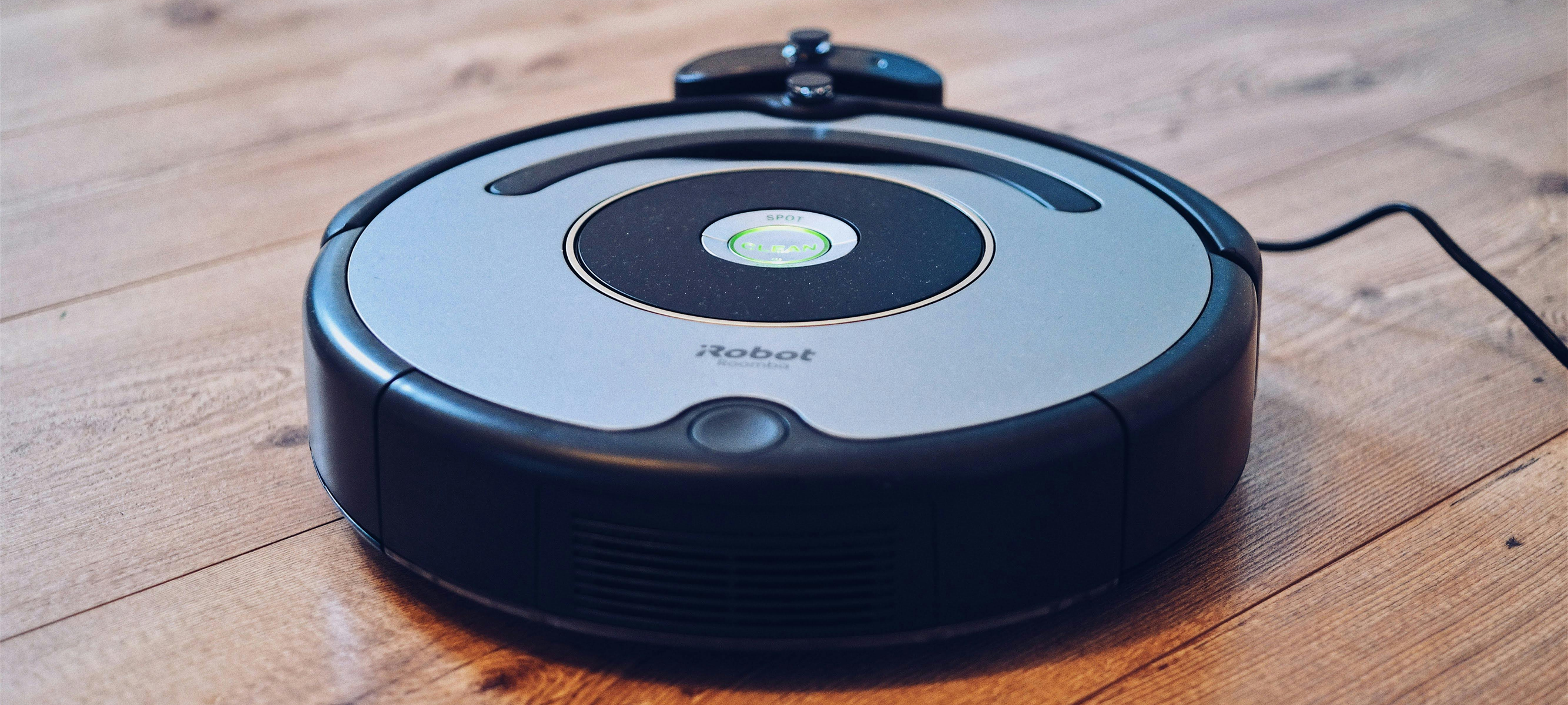


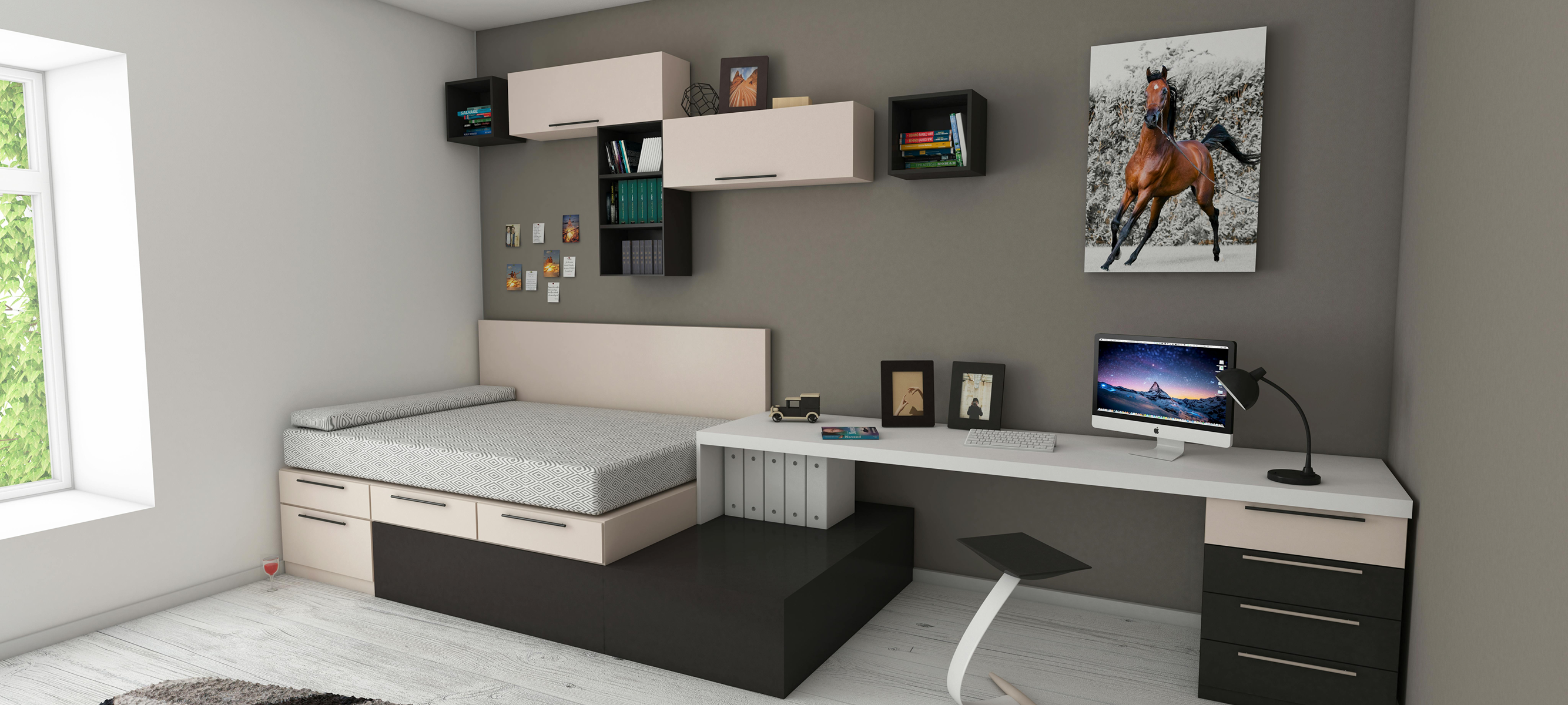
If you look around today, you’ll notice that Indian homes are getting smarter, faster than ever before. What once felt like a luxury—voice-controlled appliances, automated lighting, remote-access security—has now become a part of everyday life for many households. The shift isn’t just about fancy gadgets. It’s about creating homes that are safer, more energy-efficient, and more comfortable. And that’s exactly where smart automation is making the biggest impact.
One of the biggest changes is how homeowners are managing their energy usage. Intelligent lighting systems, motion sensors, and smart thermostats help reduce electricity bills without compromising comfort. In a country where energy consumption is rising every year, this technology is more than just convenient—it’s necessary. Smart automation allows families to control lights, fans, and appliances right from their phones, even when they’re away. This gives complete control and also protects the home from unnecessary wastage.
Security has also undergone a major transformation. Traditional locks and CCTV systems are slowly being replaced by smart doorbells, biometric locks, and real-time monitoring cameras. With crime rates fluctuating in urban areas, homeowners feel far more confident knowing they can monitor their homes anytime and from anywhere. For parents and working professionals, this peace of mind is priceless.
Another wonderful change is the level of comfort smart automation brings into everyday routines. Imagine walking into your home and your lights automatically turning on, your favorite playlist starting in the background, or the room temperature adjusting based on your preferences. These small touches create a more personalized living experience. For elderly people or those with mobility issues, voice-controlled automation has been life-changing.
The growth of IoT devices, faster internet, and companies like Nefcon Systems Pvt. Ltd. offering smart, integrated solutions has accelerated this shift even more. More developers are now building automation-ready homes, and customers are actively demanding them. Whether it’s lighting, entertainment, safety, or energy management, automation is not the future anymore—it’s the present.
Smart homes are no longer just about convenience; they are about building a lifestyle that is connected, secure, efficient, and future-ready. As the technology becomes more affordable and accessible, we can expect even more Indian households to upgrade to intelligent living in the coming years. The transformation has begun, and it’s only getting smarter from here.